
Brake Maintenance Guide
Updated April 25, 2026
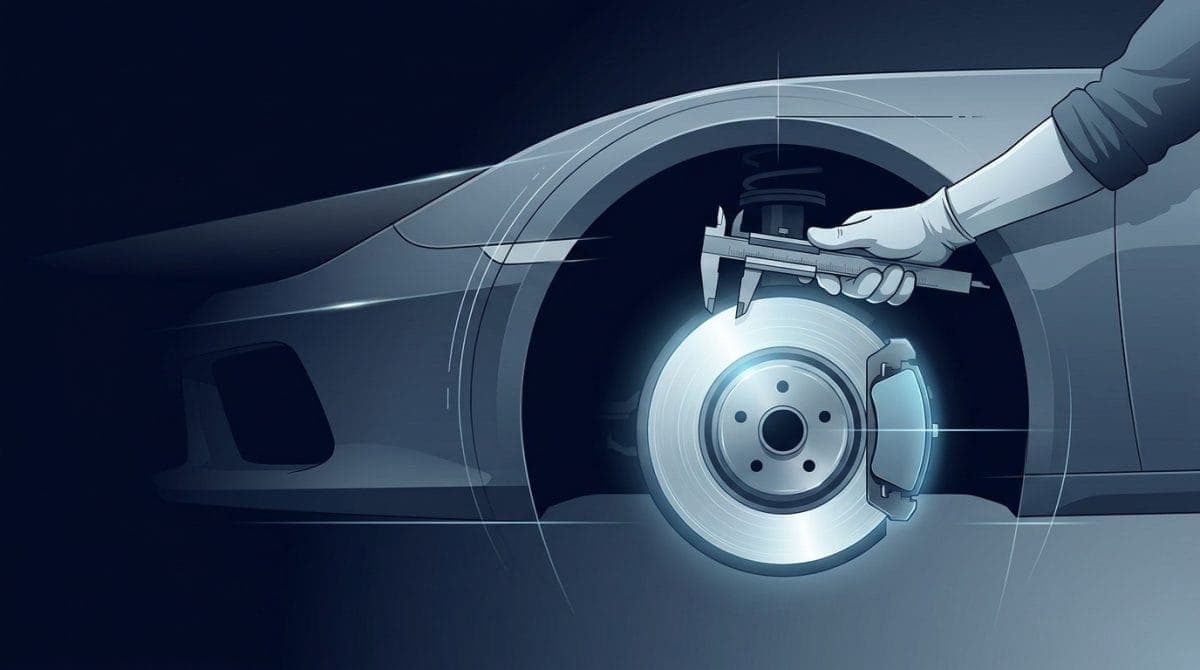
Brake Maintenance Guide for Used Car Shoppers
Brakes are arguably the single most important safety system on any vehicle, and for used car shoppers, understanding brake condition can mean the difference between a confident purchase and an expensive surprise. This guide walks through how brakes typically work, what to inspect before buying, how to interpret federal safety data from the National Highway Traffic Safety Administration (NHTSA), and how routine brake care fits into overall ownership costs alongside fuel economy ratings published by the U.S. Environmental Protection Agency (EPA).
Whether you are evaluating a compact sedan, a used pickup, or a hybrid SUV, the principles below generally apply. Always pair this information with a professional pre-purchase inspection and a review of the specific vehicle’s recall history.
How Modern Brake Systems Generally Work
Most passenger vehicles sold in the United States use a hydraulic braking system combined with electronic controls. When the driver presses the brake pedal, pressurized brake fluid transmits force through lines to calipers (disc brakes) or wheel cylinders (drum brakes). Friction material—the pads or shoes—then clamps against a rotor or drum to slow the wheel.
Additional systems typically layered on top include:
- Anti-lock Braking System (ABS): Prevents wheel lockup during hard stops.
- Electronic Stability Control (ESC): Mandatory on all light vehicles sold in the U.S. since the 2012 model year, per NHTSA.
- Automatic Emergency Braking (AEB): Increasingly common on late-model used vehicles.
- Regenerative Braking: Found on hybrids and electric vehicles, which may reduce friction-brake wear but introduces its own inspection considerations.
Why Brake Condition Matters When Buying Used
Unlike cosmetic issues, worn or neglected brakes can directly affect stopping distance and crash outcomes. NHTSA’s New Car Assessment Program (NCAP) rates vehicles on crash performance and, increasingly, on advanced driver assistance features, many of which depend on properly functioning brake systems. A vehicle with a strong NCAP rating can still underperform in real-world stops if its brake components have been neglected.
Brake-related complaints are also among the most frequent categories submitted to NHTSA’s consumer complaint database. Reviewing a specific year, make, and model on NHTSA.gov before buying can surface patterns such as premature rotor warping, caliper sticking, or ABS module failures.
Typical Brake Component Lifespans
Wear intervals vary widely based on driving style, terrain, vehicle weight, and friction-material type. The ranges below are general guidance, not guarantees.
| Component | Typical Service Interval | Notes |
|---|---|---|
| Front brake pads | 30,000–70,000 miles | Wear faster than rear on most front-biased vehicles |
| Rear brake pads or shoes | 40,000–90,000 miles | May last longer on vehicles with regenerative braking |
| Rotors | 50,000–90,000 miles | May be resurfaced once if thickness allows |
| Brake fluid | 2–3 years | Hygroscopic; absorbs moisture over time |
| Calipers | 100,000+ miles | Rubber seals may fail earlier in rust-prone regions |
| Brake hoses | 6–10 years | Inspect for cracks, bulges, or weeping |
Pre-Purchase Brake Inspection Checklist
Before finalizing a used vehicle purchase, consider walking through the following steps, ideally with a qualified technician.
1. Visual Inspection Through the Wheels
With the vehicle parked, look through the wheel spokes at the brake rotors. A healthy rotor surface is generally smooth and uniformly silver-gray. Watch for:
- Deep grooves or scoring
- A pronounced raised lip around the outer edge (indicating heavy wear)
- Heavy rust that extends onto the friction surface, not just the edges
- Bluish discoloration, which may indicate overheating
2. Pad Thickness Check
Brake pad friction material typically starts around 10–12 mm when new. Most manufacturers recommend replacement at or below 3 mm. A flashlight and a small ruler can give a rough estimate, though a lift inspection is more accurate.
3. Brake Fluid Assessment
Open the hood and locate the brake fluid reservoir. Fresh fluid is typically light amber. Dark brown or black fluid may indicate it is overdue for replacement. Fluid at or below the “MIN” line can suggest either worn pads (which lower reservoir level as caliper pistons extend) or a leak.
4. Test Drive Behaviors
During a test drive, pay attention to how the brakes feel and sound:
- Pulsation through the pedal or steering wheel during braking often suggests warped or unevenly worn rotors.
- Squealing may come from wear indicators designed to alert the driver that pads are near end-of-life.
- Grinding typically indicates metal-on-metal contact and potential rotor damage.
- Pulling to one side may point to a stuck caliper, collapsed hose, or uneven pad wear.
- A soft or sinking pedal can indicate air in the lines, a failing master cylinder, or a fluid leak.
- ABS warning light illuminated on the dashboard should be investigated before purchase.
5. Parking Brake Function
On a gentle incline, engage the parking brake and confirm the vehicle holds. Electronic parking brakes on newer used vehicles should engage and release without warning messages.
Checking NHTSA Recalls and Complaints
Before committing to a used vehicle, run the Vehicle Identification Number (VIN) through NHTSA’s recall lookup tool. Brake-related recalls have historically included issues such as defective master cylinders, ABS control modules, brake hose failures, and software errors affecting AEB systems.
Steps typically recommended:
- Enter the VIN at nhtsa.gov/recalls to confirm any open (unrepaired) recalls.
- Review the Complaints tab for that year, make, and model to look for patterns.
- Check the NCAP star ratings for crashworthiness and available crash-avoidance technologies.
- Ask the seller for documentation that open recalls have been completed at an authorized dealer (recall repairs are generally performed at no cost to the owner).
Regional Considerations
Used vehicles from northern states and coastal regions often show more brake corrosion due to road salt and humidity. Rust on rotor edges is common and usually cosmetic, but heavy corrosion on caliper slide pins, brake lines, and parking brake cables may lead to seized components. Southwestern vehicles typically show less corrosion but may exhibit dry-rotted rubber hoses and seals from heat exposure.
Special Considerations by Vehicle Type
Hybrids and Electric Vehicles
Regenerative braking systems capture kinetic energy during deceleration, which typically reduces friction-brake use. As a result, many used hybrids and EVs show relatively low pad and rotor wear even at higher mileage. However, the lack of use can lead to rust buildup on rotors and sticking caliper slides. Brake fluid service intervals still apply based on time, not just mileage.
EPA fuel economy data at fueleconomy.gov can help compare efficiency across hybrid and conventional options, which is useful since drivetrain type often correlates with brake wear patterns.
Pickup Trucks and SUVs
Heavier vehicles place greater thermal load on brake systems, particularly when towing. Used trucks with tow history may show accelerated rotor wear or evidence of overheating. Ask sellers about towing frequency and inspect trailer brake controllers if equipped.
Performance Vehicles
Sport sedans and coupes frequently use larger rotors and higher-friction pads that generate more dust and wear faster. Track-driven vehicles may show heat-checked rotors or cracked pad material.
Estimating Brake Repair Costs
When negotiating a used vehicle purchase, factor in any near-term brake service. Costs vary by region, vehicle, and parts quality, but general ranges include:
| Service | Typical Cost Range (per axle) |
|---|---|
| Pad replacement | $150–$400 |
| Pads and rotors | $300–$800 |
| Caliper replacement (each) | $200–$600 |
| Brake fluid flush | $100–$200 |
| Master cylinder replacement | $400–$900 |
| ABS module repair | $500–$1,500+ |
Luxury and performance vehicles may run significantly higher, especially when original-equipment parts are specified.
Maintenance Practices After Purchase
Once you own the vehicle, consistent maintenance generally extends brake life and preserves safety performance.
Routine Habits
- Have brakes inspected at least annually or at every tire rotation.
- Replace brake fluid on the manufacturer’s recommended interval, typically every 2–3 years.
- Address unusual noises, pedal feel changes, or warning lights promptly.
- Avoid riding the brake pedal, especially on long downhill grades; use lower gears when appropriate.
- Keep tires in good condition, since worn tires generally increase stopping distance regardless of brake health.
Driving Style and Brake Longevity
Aggressive driving, frequent hard stops, and city traffic typically accelerate brake wear. Anticipatory driving—coasting toward red lights, maintaining following distance, and braking gradually—may extend pad and rotor life considerably while also improving real-world fuel economy beyond EPA label estimates.
Red Flags That May Warrant Walking Away
Some brake-related findings during a pre-purchase inspection may indicate deeper problems or future expense:
- ABS or brake warning lights that cannot be cleared, or that return after clearing
- Evidence of recent brake line patchwork rather than full replacement in rust-belt vehicles
- Pedal that sinks slowly to the floor under steady pressure (possible master cylinder failure)
- Strong burning odor after moderate braking, suggesting a dragging caliper
- Open brake-related recalls that have not been addressed by a dealer
- Documented salvage or flood history combined with unverified brake repairs
Using Federal Data to Shop Smarter
Two federal resources are particularly valuable when evaluating used vehicles:
NHTSA Resources
- Recall lookup by VIN: Confirms whether safety recalls—including brake-related ones—have been completed.
- Consumer complaint database: Searchable by year, make, and model to identify common concerns.
- NCAP crash test ratings: Star ratings and crash-avoidance feature information for most late-model vehicles.
- Investigations and Technical Service Bulletins: Indicate emerging defect patterns.
EPA Resources
- fueleconomy.gov: Official city, highway, and combined mpg (or MPGe) ratings.
- Annual fuel cost estimates: Help contextualize total cost of ownership alongside expected brake maintenance expenses.
- Side-by-side comparison tools: Useful for comparing regenerative-braking hybrids against conventional equivalents.
Final Thoughts
Brake condition is one of the clearest indicators of how well a used vehicle has been maintained, and it is also one of the most negotiable line items in a used car deal. A pre-purchase inspection that includes a thorough brake assessment, combined with a VIN-based recall check on NHTSA.gov and a fuel economy review on fueleconomy.gov, generally gives shoppers a well-rounded picture of both safety and long-term ownership costs.
No vehicle is risk-free, but buyers who understand brake components, recognize warning signs, and verify federal safety data can typically make more informed decisions and avoid preventable expense. Always consult a qualified mechanic for anything beyond a basic visual inspection, and keep written records of all brake service performed during your ownership.
About this guide
Researched with public federal data, cited inline above. Reviewed by the CarCabin editorial team. Updated when underlying data or methodology changes.
Written with AI assistance, reviewed by an editor. Reviewed by the CarCabin editorial team. Source citations and stats are linked inline above. We update guides when underlying federal data or methodology changes.
Disclaimer. Educational content. CarCabin is not a dealer, mechanic, or financial advisor. Always have a qualified mechanic inspect any vehicle before purchase, and verify recall status by VIN at nhtsa.gov/recalls.