
Cars That Hold Their Value
Updated April 25, 2026
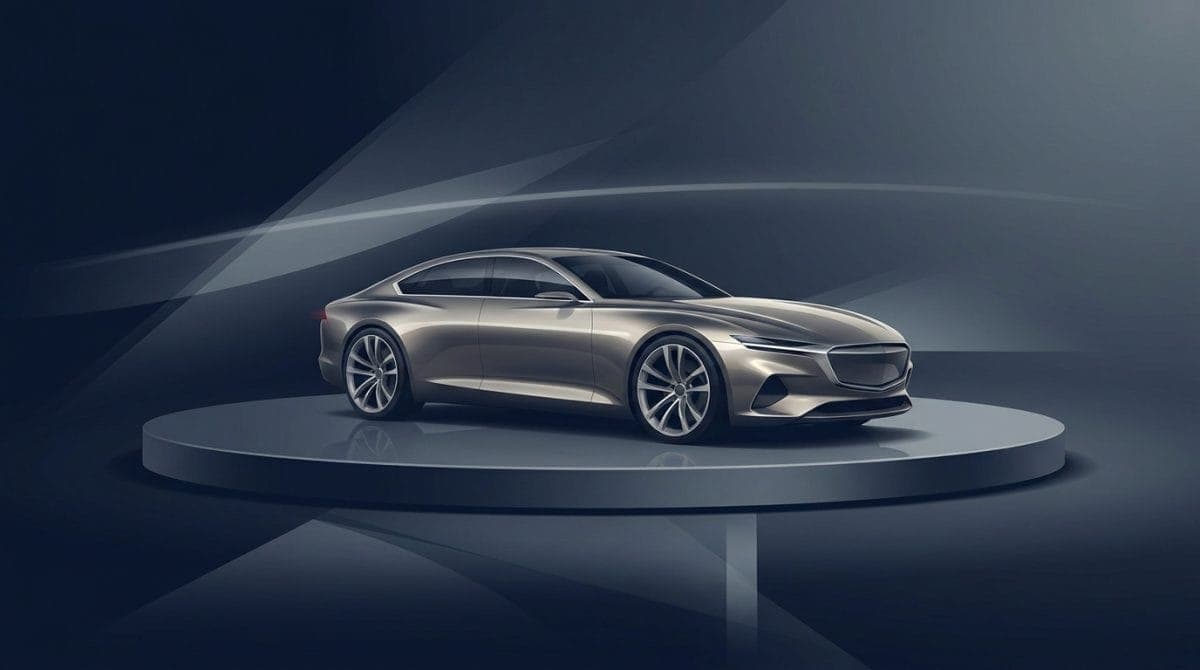
Cars That Hold Their Value: A Used Car Shopper’s Guide
Depreciation is typically the single largest cost of owning a vehicle, often exceeding fuel, insurance, and maintenance combined during the first several years of ownership. For used car shoppers in the United States, focusing on models that hold their value can translate into lower total ownership costs, better trade-in offers, and more flexibility when life circumstances change. This guide walks through which vehicles generally retain value best, why they do so, and how to shop smartly using federal resources from the National Highway Traffic Safety Administration (NHTSA) and the U.S. Environmental Protection Agency (EPA).
What “Holding Value” Actually Means
A vehicle’s residual value is the percentage of its original transaction price that it retains after a given period, commonly measured at three and five years. Industry analysts typically publish residual value rankings based on actual auction data, dealer transactions, and projected resale prices. A car that retains 65% of its value after five years is generally considered exceptional; average mainstream vehicles typically retain between 40% and 50% over the same period.
For used buyers, this metric matters in two ways. First, strong-residual vehicles tend to cost more upfront on the used market relative to their original MSRP. Second, if you later resell or trade in, you may recover more of your purchase price. The tradeoff isn’t always favorable, so it pays to understand the underlying drivers of resale strength.
Why Some Vehicles Depreciate Slower
- Reputation for reliability. Brands with strong long-term dependability records generally command higher used prices.
- Limited supply. Models produced in smaller volumes, or those where fleet and rental sales are limited, tend to hold value better.
- Strong demand categories. Compact trucks, midsize trucks, body-on-frame SUVs, and certain sports cars have generally outperformed sedans in recent years.
- Fuel economy and running costs. EPA-rated efficient vehicles may retain more value when gasoline prices rise.
- Safety performance. Models with favorable NHTSA New Car Assessment Program (NCAP) ratings and fewer open recalls typically appeal more to used buyers.
Segments That Typically Hold Value Best
Midsize and Full-Size Pickup Trucks
Pickups have consistently ranked among the strongest residual performers. The Toyota Tacoma, in particular, has long been referenced in industry residual studies as a leader in its class. Full-size trucks like the Toyota Tundra, Ford F-150, and Chevrolet Silverado 1500 also generally retain value well, though specific trims and powertrains vary. When shopping used, check the NHTSA recall database at nhtsa.gov/recalls for any open campaigns tied to the VIN, since trucks with unresolved recalls may see reduced resale appeal.
Body-on-Frame and Off-Road-Capable SUVs
The Toyota 4Runner, Toyota Land Cruiser, Lexus GX, Jeep Wrangler, and Ford Bronco have all demonstrated notably slow depreciation curves. Their rugged appeal, enthusiast followings, and limited production volumes support strong used prices. EPA fuel economy estimates for these vehicles are typically lower than car-based crossovers, so factor projected fuel costs (available at fueleconomy.gov) into your total cost of ownership calculation.
Compact and Midsize Crossovers from Top Brands
The Honda CR-V, Toyota RAV4 (including the RAV4 Hybrid), Subaru Forester, and Subaru Outback typically rank near the top of their segments for value retention. Hybrid variants have generally performed especially well as fuel prices have fluctuated. EPA combined ratings for the RAV4 Hybrid, for example, typically exceed 39 mpg, which may support stronger used demand.
Sports Cars with Enthusiast Followings
The Porsche 911 is frequently cited as one of the slowest-depreciating vehicles in the U.S. market. Other examples with historically strong residuals include the Mazda MX-5 Miata, Toyota GR86/Subaru BRZ, and certain Ford Mustang and Chevrolet Corvette configurations. Low production numbers, manual transmissions, and special trims typically command premiums on the used market.
Select Luxury Models
Most luxury vehicles depreciate quickly, but there are exceptions. Lexus models, particularly the GX, LX, and RX, tend to retain value better than many German competitors. Porsche SUVs (Cayenne, Macan) have also generally held value well in recent years.
Specific Models Frequently Cited for Strong Residuals
| Model | Segment | Notes |
|---|---|---|
| Toyota Tacoma | Midsize truck | Consistently top-ranked for residual value; strong enthusiast and work-truck demand. |
| Toyota 4Runner | Midsize SUV | Long production cycles and loyal following typically support prices. |
| Jeep Wrangler | Off-road SUV | Removable roof/doors and strong aftermarket keep demand elevated. |
| Honda Civic | Compact car | One of the better-retaining sedans; broad buyer demographic. |
| Toyota Tundra | Full-size truck | Lower production volumes and reliability reputation support residuals. |
| Subaru Crosstrek | Subcompact crossover | Standard AWD and strong EPA ratings appeal to used buyers. |
| Porsche 911 | Sports car | Frequently cited as the slowest-depreciating new vehicle over five years. |
| Honda CR-V | Compact SUV | Consistent sales leader with a strong reliability reputation. |
| Lexus GX | Midsize luxury SUV | Body-on-frame construction and Toyota mechanicals support resale. |
| Toyota RAV4 Hybrid | Compact hybrid SUV | High EPA combined mpg and strong demand typically lift used prices. |
Residual rankings shift year over year based on market conditions, production volumes, and new-model introductions. Always cross-check recent residual studies before making a decision.
The Role of NHTSA Data in Value Retention
Safety reputation is generally linked to resale strength. NHTSA offers several public tools that may help you evaluate a used vehicle:
Recalls
At nhtsa.gov/recalls, you can enter a 17-digit VIN to see open, unrepaired safety recalls. Vehicles with unresolved recalls typically appraise lower, and some dealers will not retail them until repairs are complete. Manufacturer remedies for safety recalls are generally performed at no cost to the owner.
Complaints and Investigations
NHTSA’s complaint database allows consumers to research patterns of reported defects by make, model, and year. A high volume of complaints around a specific component may signal future reliability concerns that could drag on residual values.
New Car Assessment Program (NCAP) Ratings
NHTSA’s 5-Star Safety Ratings assess frontal crash, side crash, and rollover resistance. Vehicles with four- or five-star overall ratings generally appeal to more buyers. When comparing similar used models, NCAP scores available at nhtsa.gov may help differentiate candidates.
The Role of EPA Fuel Economy Data
EPA fuel economy ratings, published at fueleconomy.gov, are standardized estimates of city, highway, and combined mpg (or MPGe for electrified vehicles). When gas prices rise, fuel-efficient models typically see stronger residuals, while inefficient trims and large V8 SUVs may depreciate faster. Key EPA tools for used shoppers include:
- Find and Compare Cars. Compare combined mpg, annual fuel cost estimates, and greenhouse gas scores across model years.
- My MPG. Real-world fuel economy submitted by owners, which may differ from window-sticker estimates.
- Used Car Label Information. Historical EPA ratings for older model years remain accessible, useful when evaluating vehicles a decade old or more.
EPA ratings were re-estimated in 2008 using updated test procedures. When comparing pre-2008 vehicles to newer ones, use the adjusted estimates on fueleconomy.gov rather than original window-sticker numbers to get a fair comparison.
Shopping Strategy: How to Buy a Strong-Residual Used Car
1. Target the Depreciation Sweet Spot
New vehicles typically lose the steepest percentage of their value in the first two to three years. Buying a two- to four-year-old used example of a strong-residual model often captures the bulk of that initial depreciation while still leaving significant useful life. Certified Pre-Owned (CPO) programs may add factory-backed warranty coverage, though they generally carry a price premium.
2. Run the VIN Through NHTSA
Before you make an offer, check the VIN at nhtsa.gov/recalls for any open campaigns. If recalls are open, ask the seller to complete them before closing, or confirm that the repairs are available at a nearby franchised dealer.
3. Compare EPA Fuel Costs
Two similar SUVs can differ by $500 to $1,000 per year in fuel cost based on EPA estimates. Over a five-year ownership period, that gap may outweigh small differences in purchase price. Hybrid and plug-in hybrid variants of popular models often command used-price premiums but may offset the difference through fuel savings.
4. Evaluate Trim and Options Carefully
Within a single model, certain configurations hold value better than others. For trucks, 4WD typically retains value better than 2WD in most U.S. regions. For sports cars, manual transmissions and special packages often carry premiums. For SUVs, common colors (white, black, silver, gray) generally resell faster than unusual hues.
5. Avoid Heavily Optioned Luxury Depreciators
Luxury vehicles with $80,000+ original MSRPs often lose 50% or more of their value in three years. While that may create buying opportunities, ongoing maintenance, premium fuel requirements, and out-of-warranty repair costs can erase the savings. EPA premium-fuel recommendations on the window sticker are worth noting.
6. Inspect, Inspect, Inspect
Even a strong-residual model can become a poor purchase if it has accident history, deferred maintenance, or unresolved recalls. A pre-purchase inspection by an independent mechanic typically costs $100 to $200 and may reveal issues that justify price negotiation or walking away.
Electric Vehicles and Residual Values
EV residuals have been more volatile than those of internal combustion vehicles. Several factors typically influence EV depreciation:
- Battery warranty coverage. Most EV high-voltage batteries carry 8-year/100,000-mile federal minimums.
- Federal tax credit dynamics. Changes to new and used EV tax credits can shift used prices rapidly.
- Charging infrastructure. Models with access to broad fast-charging networks may retain value better.
- EPA range estimates. Longer EPA-rated range typically supports stronger residuals.
Used EV shoppers may want to request a battery state-of-health report from the dealer, verify software update history, and review NHTSA recalls specific to battery and high-voltage systems.
Red Flags That Generally Hurt Resale
- Salvage, rebuilt, or flood-branded titles.
- Multiple owners in a short period.
- Open safety recalls that have never been addressed.
- Aftermarket modifications to engine, suspension, or electronics.
- Incomplete service records or missing maintenance milestones.
- Unusual colors or trim combinations for the segment.
Putting It All Together
For most U.S. used car shoppers, the highest-value strategy is generally to buy a two- to four-year-old example of a proven, strong-residual model from a brand with a reliability reputation; verify open recalls through NHTSA; and compare EPA fuel costs across finalists. Toyota trucks and SUVs, Honda crossovers and sedans, Subaru all-wheel-drive models, Jeep Wranglers, and select Porsche sports cars have all earned reputations for slower depreciation, though market conditions can change and individual transactions always vary.
Remember that holding value is only one factor. Total cost of ownership includes insurance, fuel, maintenance, repairs, registration, and financing. A slightly higher upfront price on a strong-residual vehicle may pay off at trade-in time, but only if the vehicle meets your practical needs during ownership. Use federal resources, independent inspections, and careful comparison shopping to make a decision that fits your budget and driving patterns.
About this guide
Researched with public federal data, cited inline above. Reviewed by the CarCabin editorial team. Updated when underlying data or methodology changes.
Written with AI assistance, reviewed by an editor. Reviewed by the CarCabin editorial team. Source citations and stats are linked inline above. We update guides when underlying federal data or methodology changes.
Disclaimer. Educational content. CarCabin is not a dealer, mechanic, or financial advisor. Always have a qualified mechanic inspect any vehicle before purchase, and verify recall status by VIN at nhtsa.gov/recalls.