
Fastest Depreciating Cars
Updated April 25, 2026
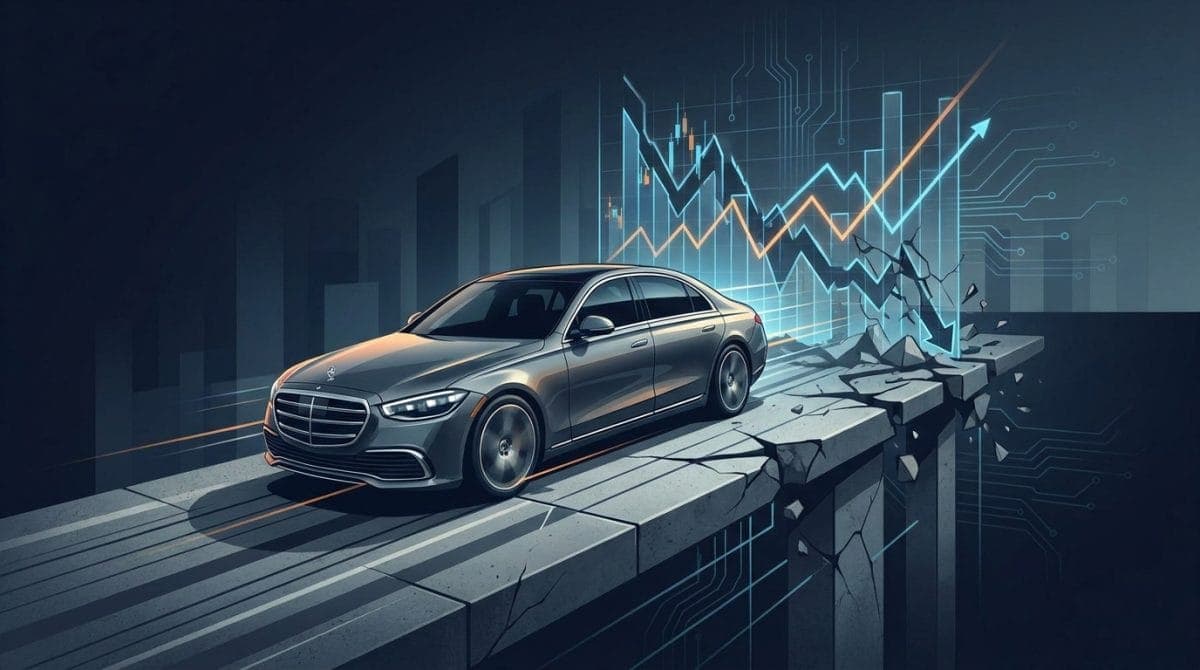
Fastest Depreciating Cars: A Used Car Shopper’s Guide to Finding Value
For most new-car buyers, depreciation is the single largest ownership cost — often exceeding fuel, insurance, and maintenance combined in the first few years. But what hurts the first owner can create genuine opportunity for the second. If you are shopping the used market in the U.S., understanding which vehicles lose value fastest can help you stretch your budget, get more vehicle for less money, and sidestep some of the pitfalls that cause steep depreciation in the first place.
This guide explains why certain cars depreciate faster than others, which categories and models have historically lost value quickly, how to evaluate a heavily depreciated vehicle using federal resources from the National Highway Traffic Safety Administration (NHTSA) and the U.S. Environmental Protection Agency (EPA), and what to watch out for before you sign.
What “Depreciation” Actually Means
Depreciation is the decline in a vehicle’s market value over time. Industry analysts typically measure it as the percentage of the original Manufacturer’s Suggested Retail Price (MSRP) lost after a set number of years — commonly three or five. A car that sells new for $50,000 and is worth $25,000 after five years has depreciated 50%.
Several variables drive depreciation:
- Supply and demand. Vehicles produced in high volumes with soft demand typically lose value faster than limited-production models with strong followings.
- Brand perception and reliability reputation. Brands with a reputation for long-term dependability generally hold value better.
- Fuel economy and energy costs. When gas prices rise, thirsty vehicles typically depreciate faster; when prices fall, efficient vehicles may lose some of their premium.
- Incentives and fleet sales. Heavy rebates and large fleet deliveries tend to pressure used values.
- Technology turnover. Rapidly evolving segments — notably electric vehicles (EVs) and luxury cars loaded with complex electronics — often depreciate quickly as newer tech arrives.
- Redesigns and discontinuations. A model that has been redesigned or dropped from the lineup frequently sees accelerated depreciation on the outgoing version.
Categories That Typically Depreciate the Fastest
1. Luxury Sedans
Large luxury sedans have historically been among the fastest depreciators in the U.S. market. Vehicles such as the BMW 7 Series, Mercedes-Benz S-Class, Audi A8, Jaguar XJ, and Maserati Ghibli often lose 50% or more of their value within three years and can exceed 65% by year five, according to industry resale studies. The original buyers typically want the latest technology, and subsequent buyers are generally wary of out-of-warranty repair costs on complex air suspensions, turbocharged engines, and advanced electronics.
2. Electric Vehicles (Older Generations)
Early and mid-generation EVs have historically depreciated faster than comparable gas vehicles. Models such as the Nissan LEAF, BMW i3, Chevrolet Bolt, and earlier Tesla Model S examples have shown steep value drops as battery technology, charging speeds, and range figures improved year over year. EPA range ratings (published at fueleconomy.gov) for newer EVs frequently exceed those of models built just a few years earlier, making older battery-electric cars comparatively less desirable.
It is worth noting that federal tax credits on new EVs can also widen the gap between new transaction prices and used values, pushing depreciation higher. Shoppers may find significant value in used EVs, but should weigh battery health, warranty coverage, and home-charging feasibility.
3. Large SUVs and Full-Size Trucks (During Fuel Price Spikes)
Body-on-frame SUVs and full-size pickups generally hold value well relative to sedans, but their depreciation is sensitive to fuel prices. According to EPA combined fuel-economy estimates, many V8-powered full-size SUVs are rated in the mid-to-upper teens mpg. When pump prices rise sharply, resale values on thirsty SUVs like older Lincoln Navigators, Cadillac Escalades (prior generations), and certain heavy-duty trucks typically fall faster than market averages.
4. Performance and Specialty Coupes (Volume Models)
Mainstream performance cars — for example, certain trims of the Dodge Charger and Challenger, Nissan Maxima, and prior-generation Infiniti Q50 and Q60 — have often depreciated briskly. High initial incentives, frequent fleet use, and fuel economy concerns typically drive values down quickly.
5. Large, Discontinued, or Redesigned Nameplates
When a manufacturer announces a nameplate is ending — recent examples include several sedans from Ford, Chevrolet, and Buick — the outgoing generations commonly see accelerated depreciation. Buyers worry about parts availability, dealer support, and resale several years down the road, even if those concerns may be overstated in the short term.
Specific Models Often Cited as Fast Depreciators
Depreciation rankings shift year to year with market conditions, but models that appear repeatedly on industry “fastest depreciating” lists include:
- BMW 7 Series and 5 Series (higher trims)
- Mercedes-Benz S-Class and E-Class
- Audi A6, A7, and A8
- Jaguar XF and XJ
- Maserati Ghibli and Quattroporte
- Cadillac CT6 and XTS
- Nissan LEAF (older generations)
- BMW i3
- Chevrolet Volt and early Bolt EV
- Ford Fusion Energi / C-Max Energi
- Infiniti QX80 and older Q70
- Lincoln Navigator (pre-current generation)
- Volvo S90
- Buick LaCrosse
Inclusion on this list does not mean a vehicle is a poor choice — in many cases, the opposite is true for a used buyer. A three-year-old luxury flagship that cost $95,000 new and is priced at $38,000 represents substantial savings, provided the total cost of ownership is weighed carefully.
Why Fast Depreciators Can Be Smart Used Buys
The same factors that hurt original owners can benefit the second owner:
- More car per dollar. A steeply depreciated luxury sedan may offer features — adaptive cruise, massaging seats, advanced driver assistance — that would cost far more in a comparably priced mainstream vehicle.
- Softer first-year-of-ownership depreciation curve. Most depreciation typically occurs in the first three years. A four- or five-year-old vehicle generally loses value more slowly going forward.
- Certified Pre-Owned (CPO) programs. Luxury brands often back CPO vehicles with extended warranties that may offset some reliability risk.
The Risks to Weigh
Heavily depreciated vehicles often depreciate for reasons beyond brand perception. Before buying, used shoppers generally should consider:
- Repair and maintenance costs. Complex luxury systems — air suspension, turbochargers, adaptive dampers, advanced infotainment — can be expensive to repair once out of warranty.
- Parts availability. Low-volume and discontinued models may have longer parts lead times.
- Insurance. Premium vehicles and EVs may carry higher insurance costs even when purchase prices are modest.
- Battery degradation (EVs). Older EVs may deliver meaningfully less range than their original EPA estimates. Ask for a state-of-health readout where possible.
- Fuel economy. Verify EPA combined mpg at fueleconomy.gov and compute realistic annual fuel costs using your commute.
How to Use Federal Resources Before You Buy
NHTSA: Recalls, Complaints, and Crash Ratings
The National Highway Traffic Safety Administration maintains several free databases that can help shoppers evaluate a specific used vehicle:
- Recalls by VIN. At nhtsa.gov/recalls, entering the Vehicle Identification Number returns any open safety recalls. Federal law generally requires manufacturers to repair open recalls at no cost to the owner.
- Consumer complaints and investigations. NHTSA’s complaint database and Office of Defects Investigation (ODI) files can reveal patterns — for example, transmission concerns, electrical issues, or suspension faults — that may be especially relevant on models with poor resale values.
- New Car Assessment Program (NCAP) ratings. NHTSA’s 5-Star Safety Ratings cover frontal, side, and rollover performance. Ratings methodology has been updated periodically, so compare vehicles tested under the same protocol.
- Technical Service Bulletins (TSBs). While not the same as recalls, TSBs describe known issues and manufacturer-authorized fixes, which may help you understand why certain models carry depreciation penalties.
EPA: Fuel Economy and Range
The EPA’s fueleconomy.gov, jointly operated with the U.S. Department of Energy, publishes standardized city, highway, and combined mpg figures (and MPGe for plug-ins and EVs). Used shoppers can:
- Compare combined mpg across competing vehicles built to the same test cycle.
- Estimate annual fuel cost based on 15,000 miles per year and current national average fuel prices.
- Check EPA-rated range for EVs and compare it to real-world owner reports.
- Review the Fuel Economy Guide for model-year data going back decades.
Because older EVs may not meet their original EPA range today, typical practice is to subtract 10% to 20% for battery aging as a starting point for discussion — actual degradation varies by chemistry, climate, and charging history.
A Practical Shopping Checklist
Before You Visit the Seller
- Identify 2–3 target models in the segment you want, favoring those with steep depreciation but acceptable reliability histories.
- Look up EPA combined mpg (or MPGe/range) for each candidate at fueleconomy.gov.
- Check NHTSA’s recall tool for the specific model year, and review NCAP star ratings.
- Review NHTSA complaints and investigations for recurring issues.
- Get a rough insurance quote for each candidate.
At the Inspection
- Run the VIN through NHTSA’s recall tool and confirm open recalls have been addressed, or plan to schedule them.
- Request a vehicle history report (independent of NHTSA) to check for title branding, odometer issues, and accident records.
- Commission a pre-purchase inspection from an independent mechanic familiar with the brand — especially important on luxury and performance vehicles.
- For EVs and plug-in hybrids, request a battery state-of-health report and, if possible, a test drive long enough to observe real-world range or electric-only operation.
- Verify maintenance records, particularly for timing chains, transmission services, brake fluid, coolant, and (on turbocharged engines) oil change intervals.
When Negotiating
- Use depreciation data as leverage. If comparable listings have fallen 5% in the last quarter, point to those comps.
- Factor upcoming maintenance — brakes, tires, timing components — into your offer.
- On vehicles with expensive optional equipment (air suspension, night vision, rear entertainment), consider whether those features add value to you or primarily add future repair risk.
Segments Where Depreciation Tends to Be Slower
For context, it may help to know which vehicles typically retain value better. Compact and midsize pickup trucks (such as the Toyota Tacoma), body-on-frame SUVs with strong reputations (such as the Toyota 4Runner and Lexus GX), and certain Honda and Subaru models have generally appeared near the top of retained-value rankings. Shoppers focused strictly on minimizing total cost to own may find these vehicles more economical over a long holding period, even at higher entry prices.
Putting It Together
“Fastest depreciating” is not synonymous with “worst to own.” For used shoppers in the U.S., a vehicle that lost half its value in three years can be the smartest purchase on the lot — provided the buyer has confirmed there are no open safety recalls through NHTSA, understands the EPA fuel-economy or range rating, budgets for out-of-warranty maintenance, and has verified the specific unit’s condition through a pre-purchase inspection.
Conversely, chasing a bargain on a steeply depreciated luxury flagship or early EV without doing that homework can lead to repair bills that quickly erase the savings. The right answer depends on how long you plan to keep the vehicle, how many miles you drive, and how much risk you are comfortable carrying once the factory warranty expires.
The used market generally rewards patient, informed shoppers. By treating depreciation as a signal rather than a verdict — and by leaning on the free federal data available from NHTSA and the EPA — you can identify the vehicles where fast depreciation represents opportunity rather than a warning.
About this guide
Researched with public federal data, cited inline above. Reviewed by the CarCabin editorial team. Updated when underlying data or methodology changes.
Written with AI assistance, reviewed by an editor. Reviewed by the CarCabin editorial team. Source citations and stats are linked inline above. We update guides when underlying federal data or methodology changes.
Disclaimer. Educational content. CarCabin is not a dealer, mechanic, or financial advisor. Always have a qualified mechanic inspect any vehicle before purchase, and verify recall status by VIN at nhtsa.gov/recalls.