
Teen Driver Safety Guide
Updated April 25, 2026
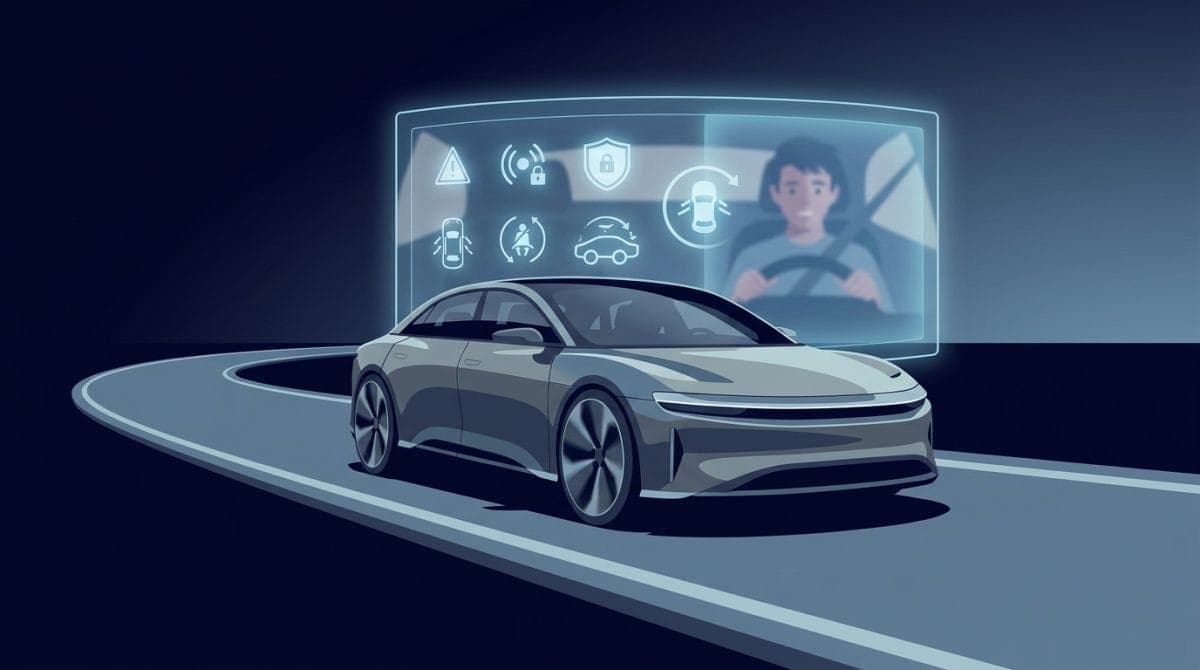
Teen Driver Safety Guide: Choosing a Used Vehicle for a New Driver
Shopping for a used vehicle for a teen driver is one of the more consequential purchases a family can make. According to the National Highway Traffic Safety Administration (NHTSA), drivers aged 15 to 20 are overrepresented in fatal crashes relative to their share of licensed drivers, and the vehicle a teen drives can meaningfully influence crash outcomes. This guide walks through what generally matters most when evaluating used cars for newly licensed drivers, how to interpret federal safety and fuel economy data, and how to balance safety, reliability, and budget.
The recommendations below draw on publicly available resources from NHTSA (including the New Car Assessment Program, recall database, and consumer complaint records) and the U.S. Environmental Protection Agency (EPA) fuel economy data at FuelEconomy.gov. No vehicle is risk-free, but a thoughtful shopping process can help families identify options that typically perform well in federal testing and real-world use.
Why Vehicle Choice Matters for Teen Drivers
Teen drivers are, on average, less experienced at hazard perception, speed management, and distraction control. NHTSA data consistently shows elevated crash rates in the first months after licensure. Because inexperience is a leading factor, the vehicle’s ability to help prevent crashes — and to protect occupants when crashes do occur — takes on added importance.
Safety research from the Insurance Institute for Highway Safety and NHTSA generally points to several vehicle attributes that correlate with better teen-driver outcomes:
- Modern crashworthiness, typically reflected in NHTSA 5-Star Safety Ratings
- Electronic Stability Control (ESC), which has been federally required on all passenger vehicles built after the 2012 model year
- Side curtain and front airbags
- Moderate horsepower rather than high-performance powertrains
- Mid-size or larger footprint, which generally provides better crash energy management than minicars
- Advanced driver assistance systems (ADAS), where available
What to Avoid
Families shopping used often focus on the cheapest running vehicle on the lot. That approach can introduce avoidable risk. Vehicles that may warrant extra caution for teen drivers include:
- Small, older vehicles without ESC. Vehicles built before the 2012 model year may not have ESC as standard equipment. NHTSA credits ESC with substantial reductions in single-vehicle crash fatalities.
- High-horsepower sports cars or performance trims. Excess power typically amplifies inexperience. Insurance premiums also tend to be significantly higher.
- Large pickup trucks and older SUVs with a high center of gravity. Rollover propensity can be elevated, particularly in older body-on-frame designs.
- Vehicles with open NHTSA recalls. Always check the VIN at nhtsa.gov/recalls before purchase.
- Salvage or rebuilt-title vehicles. Structural repairs may compromise crashworthiness in ways that are difficult to verify.
Key Federal Resources to Use Before Buying
NHTSA 5-Star Safety Ratings (NCAP)
The New Car Assessment Program publishes star ratings for frontal, side, and rollover performance, as well as an overall score. Ratings are available at nhtsa.gov by model year, make, and model. When comparing used vehicles, it is generally useful to look at both the overall rating and the individual crash-mode scores. Keep in mind that NCAP testing protocols have changed over the years, so star ratings are most directly comparable within the same generation of testing.
NHTSA Recall Lookup
Enter the 17-character VIN at nhtsa.gov/recalls to see whether a specific vehicle has any open, unrepaired safety recalls. Remedies are typically free through franchised dealers. A clean recall report, or documentation that recalls have been completed, should generally be a prerequisite to purchase.
NHTSA Complaints and Investigations
The NHTSA consumer complaint database surfaces patterns that may not yet have produced a recall. Repeated complaints about stalling, unintended acceleration, airbag deployment issues, or steering problems are worth considering. Active investigations may also foreshadow future recalls.
EPA Fuel Economy (FuelEconomy.gov)
Teen drivers often accumulate miles quickly between school, work, and activities. EPA combined-cycle mpg estimates, along with annual fuel cost projections published at fueleconomy.gov, can help families budget realistically. Hybrids and efficient four-cylinder sedans typically deliver the lowest operating costs. Keep in mind that EPA ratings reflect standardized testing; real-world results vary with driving style and conditions.
Safety Features Worth Prioritizing
Required Baseline (Generally 2012 and Newer)
- Electronic Stability Control (ESC)
- Anti-lock Braking System (ABS)
- Front and side-curtain airbags
- Tire Pressure Monitoring System (TPMS)
- LATCH child-seat anchors (useful for older teens who may transport younger siblings)
Advanced Driver Assistance Systems (ADAS)
ADAS features have become more common on used vehicles from roughly the 2017 model year onward, though availability varies by trim. Features that may be particularly helpful for inexperienced drivers include:
- Automatic Emergency Braking (AEB): Can reduce rear-end collision severity. Most major automakers committed to making AEB standard by September 2022 through a voluntary NHTSA agreement.
- Forward Collision Warning (FCW): Often bundled with AEB.
- Lane Departure Warning (LDW) and Lane Keeping Assist (LKA): May help with drowsy or distracted drift.
- Blind Spot Monitoring (BSM): Particularly useful for drivers still developing mirror-checking habits.
- Rear Cross-Traffic Alert and Rearview Cameras: Rearview cameras have been federally required on new vehicles since May 2018.
- Adaptive Cruise Control (ACC): Can reduce fatigue on highway trips.
ADAS is a helpful supplement, not a substitute, for engaged driving. NHTSA generally emphasizes that these systems have limitations and that the driver remains responsible for vehicle operation.
Vehicle Size, Power, and Body Style
Crash physics generally favor larger, heavier vehicles — up to a point. The practical sweet spot for many teen drivers tends to be a mid-size sedan, compact SUV, or larger compact sedan with a four-cylinder engine. Vehicles in this range typically offer:
- Reasonable crashworthiness in NCAP testing
- Manageable outward visibility
- Moderate power (generally 150–200 horsepower)
- Competitive EPA fuel economy
- Lower insurance costs than larger SUVs or performance models
Minicars and subcompacts, while fuel-efficient, may offer less crash energy management in multi-vehicle collisions. Large trucks and three-row SUVs, while protective, can be harder to maneuver and park, and may carry higher rollover ratings in older designs.
Model-Year Guidance
2012–2016 Model Years (Budget Range)
Vehicles from this range typically include ESC, stability-focused chassis tuning, and modernized airbag systems. ADAS is less common but may be available on higher trims. NCAP ratings from this era are generally comparable within model year. Expect mainstream sedans such as the Toyota Camry, Honda Accord, Mazda6, Ford Fusion, and Hyundai Sonata to appear frequently in this price band. Always verify recall status and check for complaint patterns specific to the model year.
2017–2020 Model Years (Mid-Range)
This range often represents the best value for safety-conscious shoppers. AEB, lane departure warning, and blind spot monitoring began appearing on mid-trim mainstream vehicles. Compact SUVs such as the Honda CR-V, Toyota RAV4, Mazda CX-5, and Subaru Forester — along with sedans like the Toyota Corolla and Honda Civic — generally earned solid NCAP scores in this era.
2021 and Newer (Higher Budget)
ADAS is increasingly standard across trims. Structural improvements and updated airbag calibrations continue to improve occupant protection. Hybrid availability has expanded significantly, which may lower EPA-estimated annual fuel costs.
Reliability and Operating Costs
A safe vehicle that is frequently in the shop or unaffordable to operate does not serve a teen driver well. When evaluating total cost of ownership, consider:
- EPA combined mpg and annual fuel cost estimates at fueleconomy.gov
- Insurance premiums, which generally run higher for sports cars, turbocharged models, and vehicles with high theft rates
- Expected maintenance, including brake wear (often accelerated with new drivers), tire replacement intervals, and scheduled services
- Repair parts availability, which is typically better for high-volume mainstream models
Pre-Purchase Checklist
| Step | What to Do | Federal Resource |
|---|---|---|
| 1 | Check NCAP star ratings for the exact model year | nhtsa.gov/ratings |
| 2 | Run the VIN for open recalls | nhtsa.gov/recalls |
| 3 | Review complaints and investigations | nhtsa.gov/complaints |
| 4 | Look up EPA mpg and annual fuel cost | fueleconomy.gov |
| 5 | Order a vehicle history report | NMVTIS-approved providers |
| 6 | Get an independent pre-purchase inspection | ASE-certified mechanic |
| 7 | Verify all airbag and ADAS indicators function | Owner’s manual |
Test Drive Considerations
During the test drive, families may want to evaluate several items specifically through the lens of a new driver:
- Outward visibility: Can the driver see over the hood, check blind spots easily, and judge corners?
- Seat and pedal reach: Taller teens may not fit older compact cars comfortably; shorter teens may struggle to reach pedals in some SUVs.
- Infotainment complexity: Excessive touchscreen depth can promote distraction. Physical volume and climate controls are generally preferable.
- Smartphone integration: Apple CarPlay and Android Auto typically reduce the temptation to handle a phone while driving.
- Braking feel: Confidence-inspiring brakes matter for drivers still calibrating stopping distances.
- ADAS calibration: Warning lights for AEB, LDW, or BSM should be off with systems reported as active.
Setting Up the Vehicle for a New Driver
Once a vehicle has been purchased, a few setup steps can reinforce safer habits:
- Complete any outstanding recalls before handing over the keys.
- Replace tires that are near the wear bars; traction is particularly important for newer drivers.
- Review all ADAS settings and confirm that the systems default to “on” at each start.
- Enable built-in teen driver features if available. Several automakers offer configurable speed alerts, volume limits, and report cards.
- Pair the phone via Bluetooth or CarPlay/Android Auto and set Do Not Disturb While Driving.
- Keep a roadside emergency kit, including jumper cables or a portable jump pack, a flashlight, and basic tools.
Graduated Driver Licensing and Family Agreements
All 50 states have some form of Graduated Driver Licensing (GDL). NHTSA research indicates that stronger GDL programs correlate with lower teen crash rates. Families may want to reinforce state rules with a written parent-teen driving agreement covering passenger limits, nighttime driving, phone use, seat belt use, and consequences for violations. Sample agreements are available through NHTSA’s teen driving resources.
Budget-Tier Shopping Framework
Under $12,000
Expect 2013–2016 mainstream sedans and compact SUVs with higher mileage. Prioritize ESC, curtain airbags, and 4- or 5-star NCAP overall ratings. ADAS will generally be absent. Focus on documented maintenance history.
$12,000–$20,000
This range typically opens up 2017–2020 vehicles with AEB, BSM, and rearview cameras. Hybrids such as the Toyota Prius and Honda Insight may fit here, offering strong EPA mpg figures.
$20,000–$28,000
Late-model vehicles with standard ADAS suites, including adaptive cruise control and lane centering, become widely available. Certified Pre-Owned (CPO) programs in this range may include extended powertrain warranties, which can reduce unexpected repair costs.
Final Thoughts
A well-chosen used vehicle can make a meaningful difference for a teen driver’s safety and for a family’s budget. The general framework — verify NCAP ratings, clear all recalls, review complaints, confirm EPA operating costs, and insist on a pre-purchase inspection — applies regardless of price tier. Combined with graduated licensing compliance and ongoing parental coaching, vehicle selection is one of the highest-leverage decisions families can make during the first years of independent driving.
About this guide
Researched with public federal data, cited inline above. Reviewed by the CarCabin editorial team. Updated when underlying data or methodology changes.
Written with AI assistance, reviewed by an editor. Reviewed by the CarCabin editorial team. Source citations and stats are linked inline above. We update guides when underlying federal data or methodology changes.
Disclaimer. Educational content. CarCabin is not a dealer, mechanic, or financial advisor. Always have a qualified mechanic inspect any vehicle before purchase, and verify recall status by VIN at nhtsa.gov/recalls.