
Towing Guide For Beginners
Updated April 25, 2026
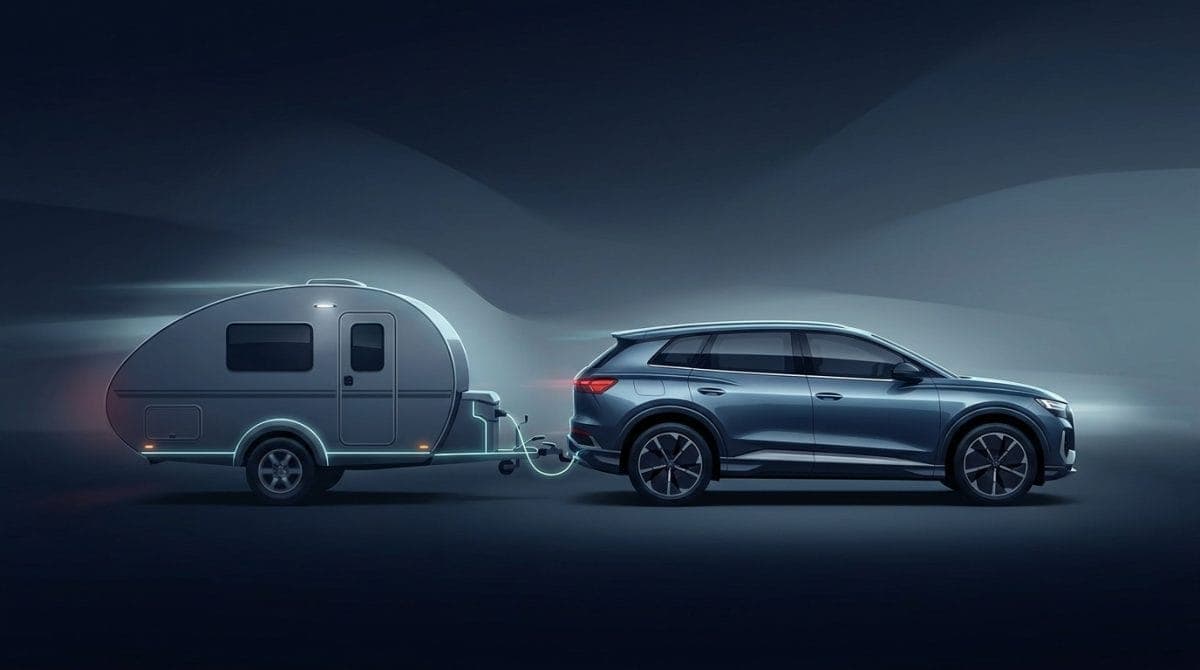
Towing Guide for Beginners: What Used Car Shoppers Need to Know Before Buying a Tow Vehicle
Shopping for a used vehicle that can tow a trailer, boat, camper, or utility load adds a layer of complexity most first-time buyers underestimate. Towing affects braking distances, fuel economy, transmission wear, and overall vehicle stability. Making the wrong choice can lead to expensive repairs, unsafe highway conditions, or a vehicle that simply cannot handle the load you bought it for.
This guide walks through the terminology, specifications, safety data, and fuel economy considerations that typically matter most when evaluating a used tow vehicle in the U.S. market. It also explains where to verify recall history and crash-test performance using federal resources from the National Highway Traffic Safety Administration (NHTSA) and the Environmental Protection Agency (EPA).
Understanding Towing Terminology
Before comparing trucks and SUVs on a dealer lot, it helps to understand the language manufacturers and regulators use. These terms appear on door-jamb stickers, owner’s manuals, and trailer specification sheets.
Key Weight Ratings
- GVWR (Gross Vehicle Weight Rating): The maximum total weight of the tow vehicle itself, including passengers, cargo, fuel, and tongue weight from a trailer.
- GCWR (Gross Combined Weight Rating): The maximum combined weight of the tow vehicle and the loaded trailer together.
- Towing Capacity: The maximum trailer weight a vehicle is rated to pull, typically published by the manufacturer.
- Payload Capacity: The maximum weight of passengers and cargo the vehicle can carry, which includes trailer tongue weight.
- Tongue Weight (TW): The downward force the trailer tongue places on the hitch, generally 10–15% of the trailer’s loaded weight for conventional trailers.
- GAWR (Gross Axle Weight Rating): The maximum load each axle can support, listed separately for front and rear.
Hitch Classes
Receiver hitches are categorized by the load they can handle. A used vehicle may have a factory-installed or aftermarket hitch, and these do not always match the vehicle’s full towing capacity.
| Class | Typical GTW Rating | Common Uses |
|---|---|---|
| Class I | Up to 2,000 lbs | Small utility trailers, bike racks |
| Class II | Up to 3,500 lbs | Small campers, jet skis |
| Class III | Up to 8,000 lbs | Mid-size boats, travel trailers |
| Class IV | Up to 10,000 lbs | Large trailers, car haulers |
| Class V | 10,000–20,000+ lbs | Heavy equipment, large RVs |
Matching the Vehicle to the Load
A common beginner mistake is buying a vehicle rated for the trailer’s advertised dry weight rather than its loaded weight. Water tanks, gear, propane, batteries, and passengers often add 15–25% to a trailer’s dry weight. As a general rule, many experienced towers suggest keeping the loaded trailer at no more than 80% of the tow vehicle’s rated capacity to preserve margin for hills, headwinds, and wear over time.
Typical Towing Capacities by Segment
- Compact SUVs and crossovers: Usually 1,500–3,500 lbs when properly equipped. Suitable for small utility trailers and lightweight pop-up campers.
- Mid-size SUVs: Typically 3,500–6,000 lbs, though body-on-frame models like the Toyota 4Runner or Jeep Grand Cherokee may reach 6,200–7,200 lbs.
- Full-size SUVs: Often 7,500–8,300 lbs, suitable for travel trailers and mid-size boats.
- Mid-size pickups: Generally 5,000–7,700 lbs depending on engine and trim.
- Half-ton pickups (F-150, Silverado 1500, Ram 1500, Tundra): Typically 8,000–13,000 lbs with the right configuration.
- Three-quarter and one-ton pickups: Often 14,000–22,000+ lbs, with diesel variants at the upper end.
Always verify the specific VIN-matched tow rating rather than trusting segment averages. Two vehicles of the same model year can have dramatically different capacities based on engine, axle ratio, cab configuration, and factory tow package.
Why the Tow Package Matters on Used Vehicles
A factory tow package typically includes some or all of the following: upgraded cooling for the engine and transmission, a heavy-duty alternator, wiring harness with a 7-pin connector, integrated trailer brake controller (on newer trucks), trailer sway control, and sometimes a different rear axle ratio.
When shopping used, verify whether the specific truck has the tow package. A VIN lookup through the manufacturer’s website or a window sticker retrieval service (many offer this by VIN) will confirm original equipment. A hitch alone does not equal a tow package, and towing near capacity without proper cooling may lead to transmission overheating.
Checking Recalls and Safety Data
Towing stresses drivetrain, braking, and suspension components. Before buying, it is generally wise to check whether the specific vehicle has open recalls that could affect towing safety.
NHTSA Recall Lookup
NHTSA maintains a free VIN-based recall lookup at nhtsa.gov/recalls. Enter the 17-digit VIN to see any unrepaired recalls. Towing-relevant recalls have historically included transmission cooler line failures, hitch receiver cracking, trailer brake controller software faults, and rear axle issues. An open recall does not automatically disqualify a vehicle, but it should be addressed by a franchised dealer before the vehicle is put into towing service.
NHTSA Complaints and Investigations
The NHTSA complaints database lets shoppers search by year, make, and model to see patterns reported by owners. For tow vehicles, look for clusters of complaints involving transmissions, driveshafts, braking systems, and electrical faults in trailer wiring. An isolated complaint may mean little; a pattern of hundreds may indicate a known weakness.
NCAP Crash Test Ratings
The New Car Assessment Program (NCAP), administered by NHTSA, publishes 5-star safety ratings covering frontal crash, side crash, and rollover resistance. While NCAP does not test vehicles with trailers attached, rollover resistance scores are particularly relevant for tow vehicles because trailer sway and emergency maneuvers can increase rollover risk. Pickups and tall SUVs typically score lower on rollover than cars and crossovers, which is a baseline factor to weigh.
Ratings are available at nhtsa.gov/ratings.
Fuel Economy and the EPA Angle
EPA fuel economy ratings, published at fueleconomy.gov, reflect unloaded testing under standardized cycles. Real-world towing fuel economy is typically 30–50% lower than the EPA combined rating, depending on trailer weight, aerodynamics, and terrain. A half-ton pickup rated at 20 mpg combined may return 10–13 mpg while towing a 6,000-lb travel trailer on the interstate.
Using fueleconomy.gov Effectively
- Compare unloaded MPG across candidates to estimate baseline operating costs when the trailer is not attached, which is usually most of the time.
- Check the “My MPG” user-submitted averages on fueleconomy.gov for a closer approximation of real-world results from other owners.
- For diesel trucks, note that EPA ratings for heavy-duty pickups (8,501+ lbs GVWR) were not historically published, though EPA and NHTSA have been phasing in reporting. Owner forums and user-submitted data often fill this gap.
Gas vs. Diesel Tradeoffs
Diesel engines typically deliver more low-end torque and better towing fuel economy than gas engines of similar output, but used diesel trucks may carry higher purchase prices, more expensive maintenance (DEF systems, high-pressure fuel pumps, emissions components), and potential repair costs that can exceed $5,000 for major failures. For occasional towing under 8,000 lbs, a modern gas V6 or V8 is often the more economical total-cost choice. For frequent heavy towing, diesel may pay off over time.
Mechanical Inspection Priorities for Used Tow Vehicles
A pre-purchase inspection by an independent mechanic is generally recommended for any used vehicle intended for towing. Key items to inspect include:
- Transmission fluid condition: Burnt smell or dark color may indicate overheating from prior towing use.
- Transmission cooler lines: Check for leaks, corrosion, and factory vs. aftermarket fittings.
- Rear differential fluid: Metal particles or milky appearance can signal wear or water intrusion.
- Hitch and receiver: Look for cracks, excessive rust, or signs of bending.
- Trailer wiring: Test all functions (running lights, brake, turn signals, reverse, trailer brakes) with a plug tester.
- Brakes: Pad thickness, rotor condition, and brake fluid quality.
- Suspension: Sagging rear springs, worn shocks, or aftermarket airbags may indicate heavy prior use.
- Frame and underbody: Rust on frame rails, cross members, and hitch mounting points is particularly concerning in vehicles from the Rust Belt.
Tow-Ready Used Vehicles Worth Researching
The following are commonly cross-shopped in their segments. Specific capacities vary by trim, engine, and model year, so always verify against the door-jamb sticker and manufacturer spec sheets.
Half-Ton Pickups
- Ford F-150 (2015+ aluminum body with EcoBoost V6 options)
- Chevrolet Silverado 1500 / GMC Sierra 1500
- Ram 1500 (coil-spring rear suspension provides a smoother ride)
- Toyota Tundra
Mid-Size Pickups
- Toyota Tacoma
- Chevrolet Colorado / GMC Canyon (diesel variants offer higher tow ratings)
- Ford Ranger (2019+)
- Honda Ridgeline (lower tow rating but car-like ride)
SUVs with Meaningful Tow Ratings
- Chevrolet Tahoe / Suburban, GMC Yukon
- Ford Expedition
- Toyota Sequoia and 4Runner
- Jeep Grand Cherokee and Wagoneer
- Nissan Armada
Budgeting Beyond the Purchase Price
First-time tow vehicle buyers often underbudget for accessories and operating costs. Typical additional expenses may include:
- Weight-distribution hitch with sway control: $400–$900 for trailers over 5,000 lbs
- Electric brake controller (if not factory-integrated): $100–$300 plus installation
- Extended side mirrors or tow mirrors: varies widely
- Higher insurance premiums when towing valuable trailers
- Increased tire wear and the potential need for load-range E tires on half-tons under frequent heavy loads
- Transmission fluid changes more frequently than the standard maintenance schedule
Safe Towing Practices for New Tow Vehicle Owners
Owning a capable vehicle is only part of safe towing. NHTSA publishes a towing safety guide that covers loading, hitching, and driving practices. Core principles include:
- Load the trailer so that roughly 60% of the cargo weight is forward of the trailer axle, which typically produces proper tongue weight and reduces sway.
- Verify that tires on both the tow vehicle and trailer are rated for the loaded weight and are inflated to the pressure on the vehicle’s door-jamb sticker (adjusted as the manufacturer specifies for towing).
- Allow longer following distances and braking zones. Stopping distance may increase substantially when towing.
- Use lower gears on long descents to reduce brake fade rather than riding the brakes.
- Practice low-speed maneuvering, especially backing up, in an empty parking lot before heading out on public roads.
Final Shopping Checklist
- Confirm the specific VIN’s tow rating via manufacturer window-sticker lookup.
- Check NHTSA recalls and complaints for the year/make/model.
- Review NCAP ratings, paying attention to rollover resistance.
- Reference EPA fuel economy data and real-world owner submissions for baseline and towing MPG estimates.
- Obtain a vehicle history report to check for prior commercial or heavy-duty use.
- Schedule an independent pre-purchase inspection focused on drivetrain, cooling, and frame condition.
- Verify presence of factory tow package components, not just a hitch receiver.
- Calculate total cost of ownership, including accessories, fuel, insurance, and maintenance.
Buying a used tow vehicle is a decision that rewards research. Federal datasets from NHTSA and EPA, combined with careful VIN-level verification and a thorough mechanical inspection, generally give shoppers the clearest picture of what they are buying and how it is likely to perform under load.
About this guide
Researched with public federal data, cited inline above. Reviewed by the CarCabin editorial team. Updated when underlying data or methodology changes.
Written with AI assistance, reviewed by an editor. Reviewed by the CarCabin editorial team. Source citations and stats are linked inline above. We update guides when underlying federal data or methodology changes.
Disclaimer. Educational content. CarCabin is not a dealer, mechanic, or financial advisor. Always have a qualified mechanic inspect any vehicle before purchase, and verify recall status by VIN at nhtsa.gov/recalls.