
Used Car Buying Checklist
Updated April 25, 2026
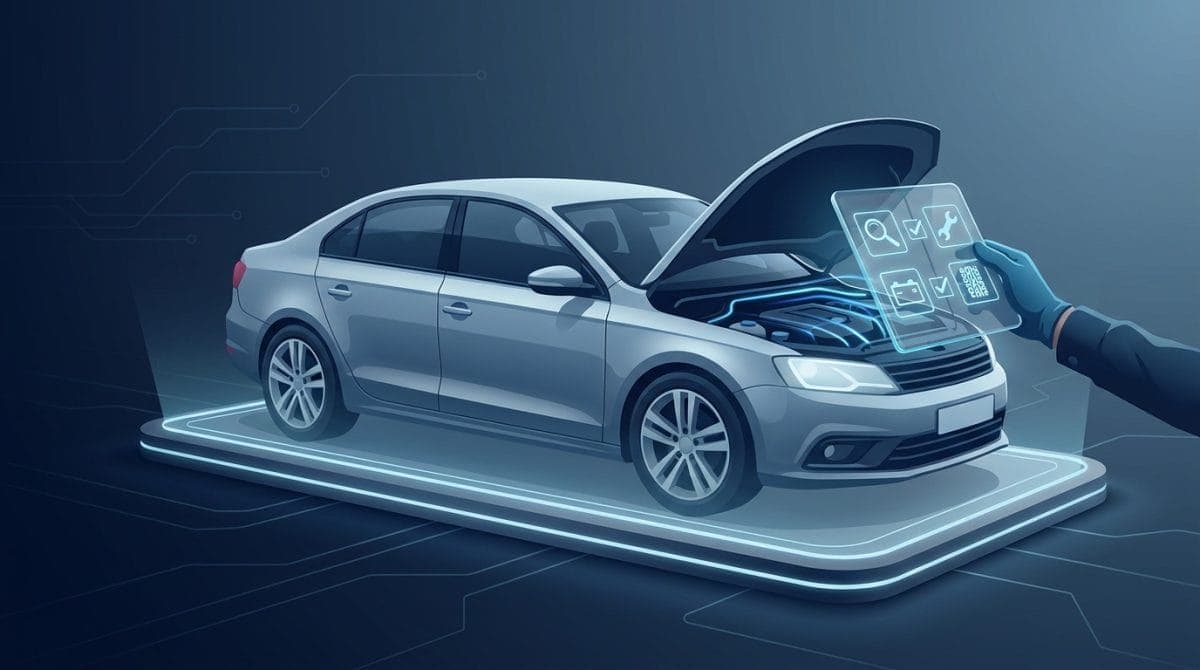
The Complete Used Car Buying Checklist for U.S. Shoppers
Buying a used car in the United States can be a smart financial move, but it also involves more uncertainty than purchasing new. Pre-owned vehicles may carry hidden accident damage, open safety recalls, or mechanical issues that aren’t obvious on a test drive. This guide walks through a comprehensive checklist that typically helps shoppers evaluate a used vehicle’s history, safety record, fuel economy, condition, and paperwork before handing over any money.
The goal is not to find a “perfect” used car—few exist—but to make an informed decision with full knowledge of what you’re buying. Federal resources from the National Highway Traffic Safety Administration (NHTSA) and the Environmental Protection Agency (EPA) can help fill in gaps that dealers and private sellers may not disclose.
Step 1: Set a Realistic Budget
Before browsing listings, it generally helps to define what you can afford, including more than just the sticker price. Total ownership costs typically include:
- Purchase price plus state sales tax
- Title, registration, and documentation fees
- Auto insurance (rates vary by model, driver, and ZIP code)
- Estimated fuel costs based on EPA fuel economy ratings
- Expected maintenance and repair expenses
- Financing costs if you are taking out a loan
A common guideline is to keep total monthly vehicle expenses—loan, insurance, and fuel—under roughly 15% to 20% of take-home pay, though individual circumstances vary.
Step 2: Research Makes and Models
Once you know your budget, narrow down to a few candidate vehicles. Consider body style, drivetrain (front-, rear-, all-wheel drive), transmission type, and intended use. A long highway commute, for example, may favor a fuel-efficient sedan, while cold-climate drivers may prefer AWD.
Check Fuel Economy on FuelEconomy.gov
The EPA and U.S. Department of Energy jointly maintain FuelEconomy.gov, which provides official miles-per-gallon (MPG) estimates for nearly every vehicle sold in the U.S. since 1984. The site allows side-by-side comparisons, annual fuel-cost estimates, and greenhouse-gas ratings. Keep in mind that real-world mileage can differ based on driving style, terrain, and vehicle condition.
Review NHTSA Safety Ratings
NHTSA’s New Car Assessment Program (NCAP) publishes 5-Star Safety Ratings based on frontal, side, and rollover crash tests. While NCAP focuses on newer vehicles, ratings remain available for older model years on NHTSA.gov. Shoppers can also review the Insurance Institute for Highway Safety (IIHS) ratings as a supplement, though IIHS is a nonprofit rather than a federal agency.
Step 3: Check Recalls, Complaints, and Investigations
This step is often skipped and is arguably one of the most important. NHTSA maintains free, public databases that let shoppers look up:
- Open recalls by VIN at nhtsa.gov/recalls
- Consumer complaints filed by other owners
- Technical service bulletins (TSBs) issued by manufacturers
- Ongoing defect investigations
Manufacturers are generally required to repair safety recalls free of charge, regardless of whether you are the original owner. However, verifying that recall work has actually been completed before purchase is typically wise. A VIN search on NHTSA.gov will indicate whether any recalls remain unrepaired.
Step 4: Obtain and Review the Vehicle History Report
A vehicle history report from a service such as Carfax or AutoCheck can reveal:
- Number of previous owners
- Reported accidents and damage
- Title issues (salvage, rebuilt, flood, lemon-law buyback)
- Odometer readings over time
- Service and registration history
The U.S. Department of Justice also operates the National Motor Vehicle Title Information System (NMVTIS), which aggregates title data from participating states, junk and salvage yards, and insurance carriers. NMVTIS reports are generally less detailed than commercial reports but can help confirm title status and detect odometer fraud.
Red Flags in a History Report
- Title brands such as “salvage,” “rebuilt,” or “flood”
- Odometer rollbacks (earlier readings higher than later ones)
- Frequent ownership changes in short periods
- Gaps in registration suggesting storage after damage
- Accident reports with structural or airbag deployment notes
Step 5: Inspect the Exterior
Always inspect a vehicle in daylight and in dry conditions if possible. Rain and artificial lighting can mask paint issues and body damage.
Body and Paint
- Look down the sides of the vehicle for ripples or uneven reflections that may indicate body filler
- Check panel gaps for consistency between doors, fenders, hood, and trunk
- Inspect paint color match across adjacent panels
- Examine the edges of doors and the trunk for overspray
Glass, Lights, and Trim
- Look for cracks or chips in the windshield
- Test all exterior lights, including turn signals and brake lights
- Check for fogging inside headlight housings
Tires and Wheels
Tire condition typically tells a story about alignment, suspension, and prior use. Uneven wear can indicate alignment issues or worn suspension components. Check the DOT date code on each tire; tires older than roughly six years may warrant replacement regardless of tread depth. All four tires should generally match in brand, size, and wear pattern.
Rust and Undercarriage
Surface rust on brake rotors is normal and burns off quickly. Structural rust on frame rails, rocker panels, or suspension components is more serious. Vehicles from northern states with road salt and coastal areas may have more corrosion than those from drier regions.
Step 6: Inspect the Interior
- Check all seats for excessive wear, tears, or sagging
- Test every power feature: windows, locks, mirrors, seats, sunroof
- Operate the climate control through heat, A/C, and defrost modes
- Verify the infotainment system, Bluetooth, and backup camera work
- Inspect seat belts for fraying and proper retraction
- Confirm all airbag warning lights illuminate briefly at startup and then turn off
- Smell for mildew or musty odors that may indicate water intrusion
Lift floor mats and check under the carpet for dampness or dirt lines that could suggest flood exposure. A flood history is often a deal-breaker because electrical gremlins typically emerge months or years later.
Step 7: Under the Hood
Even without mechanical expertise, a visual inspection can flag potential issues:
- Look for oil leaks or residue on the engine block and around gaskets
- Pull the oil dipstick: oil should be amber to dark brown, not milky or gritty
- Check coolant color and level in the overflow reservoir
- Inspect belts and hoses for cracks or swelling
- Look at the battery for corrosion on terminals
- Check for fresh paint on engine components, which may indicate collision repair
Step 8: The Test Drive
A test drive ideally lasts at least 20 to 30 minutes and includes a mix of city streets, highway speeds, and parking maneuvers.
What to Evaluate
- Cold start: Ask the seller not to warm up the car beforehand; listen for knocks, ticks, or excessive smoke at first ignition
- Acceleration: The engine should pull smoothly without hesitation or surging
- Transmission: Automatic shifts should be smooth; manual clutches should engage cleanly without slipping
- Braking: Test brakes at various speeds; pedal should feel firm, not spongy, and the vehicle should stop straight
- Steering: On a straight, flat road with hands light on the wheel, the car should track straight without pulling
- Suspension: Listen for clunks over bumps and check for excessive bounce
- Noise: Road, wind, and engine noise should be consistent; sudden changes during turns may indicate wheel bearing wear
Turn off the radio during the test drive so you can hear the vehicle clearly. Drive in reverse, make full-lock turns in both directions, and test cruise control if equipped.
Step 9: Get a Pre-Purchase Inspection (PPI)
Even after a thorough personal inspection, having an independent mechanic examine the vehicle is generally considered money well spent. A typical PPI costs $100 to $200 and may uncover issues that aren’t visible without a lift and diagnostic tools. Mechanics can read stored diagnostic trouble codes (DTCs), perform a compression test, check for frame damage, and evaluate fluid condition.
If a seller refuses to allow a PPI, that is often a significant red flag. Certified pre-owned (CPO) vehicles from franchised dealers typically include a manufacturer-backed inspection and limited warranty, though CPO programs vary significantly between brands.
Step 10: Review the Paperwork
Title
Before any money changes hands, verify that the seller’s name matches the title and that the title is “clean” (no salvage, rebuilt, flood, or other brands unless you specifically intend to buy a branded-title vehicle at a discount). Confirm the VIN on the title matches the VIN on the dashboard, door jamb, and engine bay.
Bill of Sale
A bill of sale should include the full names and addresses of buyer and seller, the date, the purchase price, the VIN, odometer reading, and signatures from both parties. Many states require specific forms.
Odometer Disclosure
Federal law generally requires sellers to disclose the actual mileage on a separate odometer statement for most vehicles under 20 model years old (as of recent rule updates). Falsifying mileage is a federal crime.
Warranty Documentation
If any factory warranty remains, obtain documentation. CPO and extended warranties should be reviewed for coverage terms, deductibles, and transferability.
Step 11: Negotiate with Information
Knowing the fair market value of a vehicle helps anchor negotiation. Resources such as Kelley Blue Book, Edmunds, and NADAguides provide value ranges based on condition, mileage, options, and regional demand. Factor in any needed repairs identified during inspection as negotiation leverage.
Be prepared to walk away. There is generally no shortage of used vehicles on the market, and pressure to close quickly often works against the buyer’s interest.
Special Considerations
Buying from a Private Seller vs. Dealer
Private-party purchases are typically cheaper but come with fewer protections—most private sales are “as-is” with no implied warranty. Dealer purchases may include limited warranties, financing options, and trade-in acceptance, though typically at a higher price. The FTC’s Used Car Rule requires dealers to post a Buyers Guide on used vehicles indicating warranty status.
Buying Sight Unseen or Online
Online-only retailers have grown significantly. If buying without an in-person inspection, review the return policy carefully—many offer 7- to 10-day money-back guarantees. Arrange for independent inspection upon delivery whenever possible.
Electric and Hybrid Vehicles
Used EVs and hybrids introduce battery health as a key variable. Ask for a battery state-of-health report if available. EPA range estimates on FuelEconomy.gov reflect when the vehicle was new; actual range on a used EV may be lower due to battery degradation. Review manufacturer battery warranties, which typically last 8 to 10 years or 100,000 miles under federal requirements.
Quick Reference Checklist
| Category | Action |
|---|---|
| Research | Check EPA fuel economy, NHTSA safety ratings, reliability reviews |
| Recalls | Run VIN on NHTSA.gov/recalls |
| History | Obtain Carfax/AutoCheck and/or NMVTIS report |
| Exterior | Inspect paint, panels, tires, glass in daylight |
| Interior | Test all electronics, check for water damage and odors |
| Mechanical | Inspect fluids, belts, leaks; listen for unusual sounds |
| Test Drive | Mix of city and highway, cold start, full-lock turns |
| PPI | Independent mechanic inspection before purchase |
| Paperwork | Verify title, VIN, bill of sale, odometer disclosure |
| Negotiation | Use market value data and inspection findings |
Final Thoughts
Used car buying is part research, part inspection, and part negotiation. No single step guarantees a trouble-free ownership experience, but working through a structured checklist typically reduces the odds of a costly mistake. Federal resources like NHTSA’s recall database and EPA’s fuel economy ratings are free, authoritative, and often overlooked by shoppers relying solely on dealer talking points.
Take your time, verify claims independently, and treat any pressure to rush as a warning rather than an opportunity. A thorough process that adds a week or two to the search is generally far cheaper than an unexpected transmission replacement three months after purchase.
About this guide
Researched with public federal data, cited inline above. Reviewed by the CarCabin editorial team. Updated when underlying data or methodology changes.
Written with AI assistance, reviewed by an editor. Reviewed by the CarCabin editorial team. Source citations and stats are linked inline above. We update guides when underlying federal data or methodology changes.
Disclaimer. Educational content. CarCabin is not a dealer, mechanic, or financial advisor. Always have a qualified mechanic inspect any vehicle before purchase, and verify recall status by VIN at nhtsa.gov/recalls.