
Winter Driving Safety Guide
Updated April 25, 2026
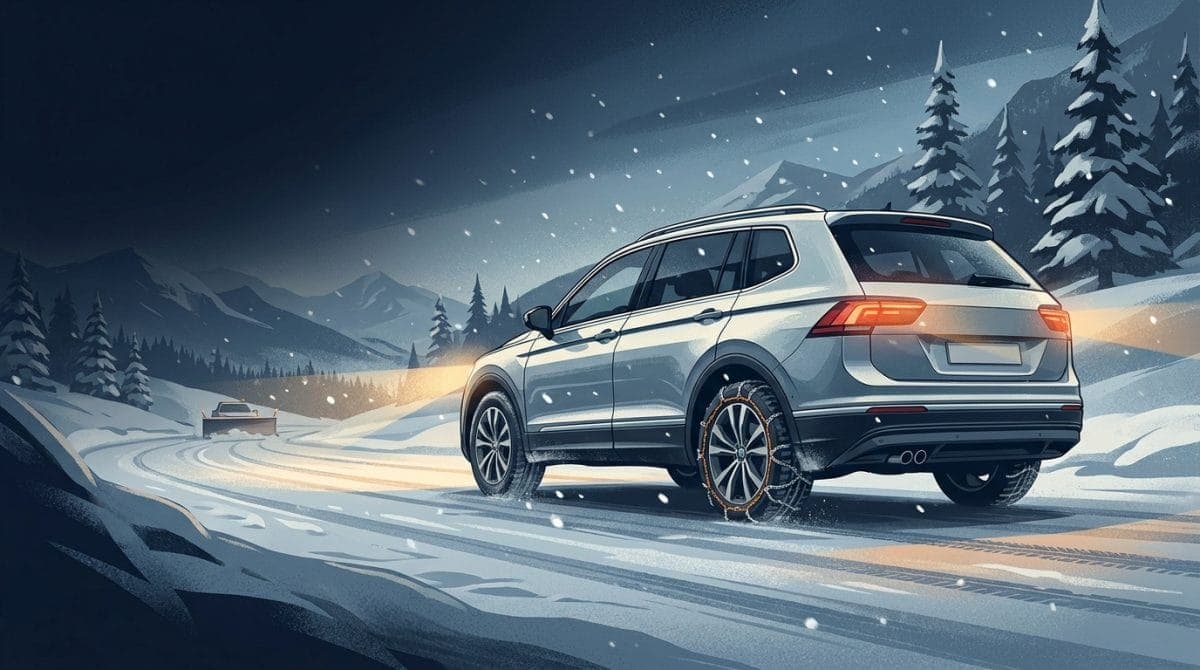
Winter Driving Safety Guide for Used Car Shoppers
Winter driving presents some of the most demanding conditions a vehicle and its driver will typically encounter. Snow, ice, slush, salt, sub-freezing temperatures, and reduced daylight all contribute to higher crash rates during the colder months. According to data referenced by the National Highway Traffic Safety Administration (NHTSA), a significant share of weather-related crashes each year involve snowy, slushy, or icy pavement. For used car shoppers, this means that what you buy in the fall or winter should generally be evaluated not just on price and mileage, but on how well it may perform when conditions get difficult.
This guide walks through the features, vehicle classes, and inspection points that tend to matter most for cold-climate driving, and explains how to use free federal resources from NHTSA and the U.S. Environmental Protection Agency (EPA) to shop more confidently.
Why Winter Shopping Is Different
A used vehicle that performs well on a dry test drive in October may behave very differently on a sheet of black ice in January. Cold weather affects tire grip, battery performance, fluid viscosity, tire pressure, and even the response of driver-assistance sensors. In addition, road salt and brine accelerate corrosion on brake lines, fuel lines, frames, and subframes, all of which can lead to safety-related recalls or complaints that NHTSA tracks on its public databases.
Used car shoppers generally benefit from thinking in three layers: the vehicle’s inherent design (drivetrain, safety systems, crashworthiness), its current mechanical condition (tires, brakes, battery, undercarriage), and its recall and complaint history.
Drivetrain Choices: AWD, 4WD, FWD, and RWD
Drivetrain is often the first question winter shoppers ask about, but it is rarely the most important. All-wheel drive (AWD) and four-wheel drive (4WD) systems distribute engine torque to more wheels, which typically improves acceleration and pull-away traction on snow. However, these systems generally do not improve braking or cornering grip, which are governed primarily by tires.
All-Wheel Drive (AWD)
Common on crossovers and many sedans, AWD systems are typically automatic and require little driver input. They may be helpful in unplowed neighborhoods and on moderate inclines. Fuel economy, as reported on EPA’s fueleconomy.gov, is usually 1–3 mpg lower than a comparable front-wheel-drive version of the same model.
Four-Wheel Drive (4WD)
Found mostly on pickups and body-on-frame SUVs, 4WD often includes a low-range transfer case that can be useful for deep snow or steep, unpaved surfaces. Many modern 4WD systems include an automatic mode that functions similarly to AWD.
Front-Wheel Drive (FWD)
A well-maintained FWD vehicle with quality winter tires generally performs well in most suburban and urban winter conditions. For shoppers on a budget, a FWD compact or midsize with good tires may outperform an AWD vehicle running worn all-seasons.
Rear-Wheel Drive (RWD)
RWD sedans and trucks typically require more driver attention in snow, since the drive wheels carry less of the engine’s weight. Dedicated winter tires are generally recommended if you expect regular snow driving in a RWD vehicle.
Safety Features to Prioritize
Modern active safety features can meaningfully reduce crash likelihood in winter conditions, though none of them eliminate risk. When shopping used, it helps to know which features became common in which model years.
- Electronic Stability Control (ESC): Federally required on all passenger vehicles under 10,000 pounds built since the 2012 model year. NHTSA has cited ESC as one of the most impactful safety technologies ever mandated, particularly for reducing loss-of-control crashes.
- Antilock Braking System (ABS): Standard on virtually all modern vehicles; helps maintain steering control during hard braking on slick surfaces.
- Traction Control: Reduces wheel spin during acceleration and is now nearly universal.
- Automatic Emergency Braking (AEB): Increasingly common on 2017 and newer vehicles. Performance may be reduced in heavy snow or when sensors are obstructed.
- Lane Departure Warning / Lane Keeping Assist: Useful on clear winter highways but may disengage when lane markings are covered by snow.
- Adaptive Cruise Control: Convenient on long trips, though radar sensors can be blocked by ice or road spray.
- Heated Features: Heated mirrors, windshield wiper de-icers, and heated seats/steering wheels are not safety systems per se, but they contribute to driver comfort and visibility.
Using NHTSA Data to Vet a Used Vehicle
NHTSA maintains several free public tools that are particularly valuable for winter-oriented shoppers.
Recalls by VIN
At nhtsa.gov/recalls, entering a 17-digit Vehicle Identification Number returns any open (uncompleted) safety recalls. Winter-relevant recalls commonly involve brake components, fuel pumps that can fail in cold weather, airbag inflators affected by humidity cycles, and corroded structural components in salt-belt states. Open recalls are typically repaired free of charge by a franchised dealer.
Consumer Complaints and Investigations
NHTSA’s complaint database allows searches by year, make, and model. Patterns worth watching include repeated reports of stalling in cold starts, heater or defroster failures, ABS malfunctions, or corrosion-related steering and suspension issues. A single complaint is rarely meaningful; clusters of similar complaints may indicate a broader problem.
New Car Assessment Program (NCAP) Ratings
NHTSA’s 5-Star Safety Ratings, available at nhtsa.gov, cover frontal, side, and rollover crash performance. While ratings methodology has evolved over time (so direct comparison between, for example, a 2014 and a 2022 model may be imperfect), they remain a useful baseline for crashworthiness. Higher-rated vehicles generally offer better occupant protection in the types of collisions that tend to occur during winter weather.
Using EPA Data for Cold-Weather Fuel Economy
EPA’s fueleconomy.gov publishes official city, highway, and combined fuel economy estimates for nearly every vehicle sold in the U.S. since 1984. For winter shoppers, a few considerations apply:
- Real-world fuel economy is typically 10–20% lower in winter than the EPA combined label figure, due to cold engine warm-up, increased idling, winter-blend gasoline, and denser air.
- Hybrids often show a larger percentage drop in winter than conventional vehicles, since the gasoline engine tends to run more frequently to produce cabin heat and maintain battery temperature.
- Battery electric vehicles (BEVs) may see range reductions of 20–40% in very cold weather, per EPA and Department of Energy testing references. Preconditioning while plugged in typically mitigates part of this loss.
- AWD versions of the same model are generally rated 1–3 mpg lower than their FWD counterparts.
The site’s side-by-side comparison tool allows shoppers to evaluate up to four vehicles against one another, which is useful when weighing, for example, a FWD sedan against an AWD crossover.
Vehicle Categories Compared
| Category | Typical Winter Strengths | Typical Considerations |
|---|---|---|
| Compact / Midsize Sedan (FWD) | Predictable handling, efficient, often affordable | Low ground clearance in deep snow |
| Compact Crossover (AWD) | Ground clearance, traction, visibility | Slightly lower fuel economy, larger blind spots |
| Midsize / Full-Size SUV (4WD) | Capability in deep snow, towing | Longer braking distances, higher fuel cost |
| Pickup Truck (4WD) | Ground clearance, 4-Low for deep snow | Light rear end may reduce traction without ballast |
| Hybrid Sedan / Crossover | Strong efficiency, often good traction control calibration | Reduced winter mpg vs. label; battery warm-up losses |
| Battery Electric Vehicle | Instant torque, preconditioning, low running cost | Significant cold-weather range reduction; charging speed may slow |
Tires: The Single Most Important Winter Factor
No drivetrain or electronic system compensates for poor tires. When inspecting a used vehicle, pay close attention to tread depth, tread age, and tire type.
- Tread depth: New tires start around 10/32″. Performance on snow generally degrades below 6/32″. The minimum legal tread in most states is 2/32″, but that depth is usually considered unsafe for winter driving.
- Tire age: Check the DOT date code on the sidewall. The last four digits indicate the week and year of manufacture. Tires older than six years may have hardened rubber compounds even if tread remains.
- Tire type:
- All-season tires offer a compromise; acceptable in light snow for many drivers.
- All-weather tires (marked with the three-peak mountain snowflake symbol) meet a defined snow traction standard while remaining usable year-round.
- Dedicated winter tires typically provide the best grip below 45°F but wear quickly in warm weather.
If the used vehicle you are evaluating has marginal tires, factor the cost of replacement (commonly $600–$1,200 for a set installed) into your offer.
Pre-Purchase Inspection Checklist for Winter
Under the Hood
- Battery age and cold-cranking amps (CCA) test. Batteries over 4–5 years old may fail in extreme cold.
- Coolant condition and freeze protection rating (typically down to at least -34°F).
- Belts and hoses for cracking.
- Engine oil type — synthetic oils generally flow better at low temperatures.
Undercarriage
- Frame and subframe corrosion, especially on vehicles from salt-belt states (Northeast, Great Lakes, Upper Midwest).
- Brake line and fuel line condition.
- Exhaust system integrity (a cracked exhaust can allow carbon monoxide intrusion, particularly when idling in snow).
- Suspension bushings and control arms.
Braking System
- Pad thickness and rotor condition.
- ABS warning light status — a dash light typically disables ABS functionality.
- Parking brake operation, which can seize in freezing conditions if neglected.
Visibility and HVAC
- Defroster output at all vents.
- Windshield wiper condition and washer fluid reservoir for leaks.
- Headlight lens clarity; hazed lenses reduce nighttime visibility.
- Heated mirror and rear defroster operation.
Lighting and Electronics
- All exterior lights, including fog lights if equipped.
- Backup camera and parking sensors.
- Dashboard warning lights at startup and after a brief drive.
A professional pre-purchase inspection at an independent shop, typically costing $100–$200, is generally a prudent investment, especially for vehicles with complex AWD systems or turbocharged engines.
Regional Considerations
Used vehicles are regularly transported across state lines, and a vehicle’s history often matters more than where it is currently listed for sale. Vehicles that spent their lives in Florida or Arizona may have pristine undercarriages but also dried-out rubber components. Vehicles from Michigan, Ohio, or New England may show salt damage but often have better-maintained cold-starting components. A vehicle history report combined with a physical inspection can help clarify where a car actually spent most of its life.
Budgeting Beyond the Purchase Price
Winter ownership often brings costs that go beyond the sticker. Common first-year expenses for a used vehicle purchased in the cold-weather months may include:
- New battery: $150–$300 installed.
- Winter or all-weather tires: $600–$1,500 installed.
- Wiper blades (including winter-specific beam blades): $30–$80.
- Fluid services (coolant flush, synthetic oil change): $100–$300.
- Any open recall repairs — typically free at a franchised dealer.
- Rust-proofing or undercoating, particularly for salt-belt buyers: $100–$200 annually.
Emergency Preparedness
NHTSA generally recommends keeping a winter emergency kit in any vehicle driven in cold climates. Typical contents include a snow brush and ice scraper, a small shovel, sand or traction mats, jumper cables or a jump pack, blankets, extra warm clothing, a flashlight with extra batteries, non-perishable food and water, a fully charged phone charger, and a basic first-aid kit. Keeping the fuel tank at least half full is also commonly advised to reduce fuel-line condensation and extend idling time if stranded.
Putting It All Together
A strong winter used-car purchase generally combines four elements: a drivetrain and body style appropriate for your typical conditions, a clean NHTSA recall and complaint profile, sound mechanical condition (especially tires, battery, and undercarriage), and realistic expectations for fuel economy based on EPA data adjusted for cold-weather losses. No single vehicle category is universally best; a well-maintained FWD sedan with quality winter tires may serve a suburban commuter better than a neglected AWD SUV on worn all-seasons.
Before signing paperwork, shoppers may want to run the VIN through NHTSA’s recall lookup one final time, verify that any open recalls can be scheduled at a local dealer, and compare the vehicle’s EPA combined rating against similar alternatives. Taking these steps typically provides a clearer picture of both the safety and the running costs of the vehicle over the winter season and beyond.
About this guide
Researched with public federal data, cited inline above. Reviewed by the CarCabin editorial team. Updated when underlying data or methodology changes.
Written with AI assistance, reviewed by an editor. Reviewed by the CarCabin editorial team. Source citations and stats are linked inline above. We update guides when underlying federal data or methodology changes.
Disclaimer. Educational content. CarCabin is not a dealer, mechanic, or financial advisor. Always have a qualified mechanic inspect any vehicle before purchase, and verify recall status by VIN at nhtsa.gov/recalls.